

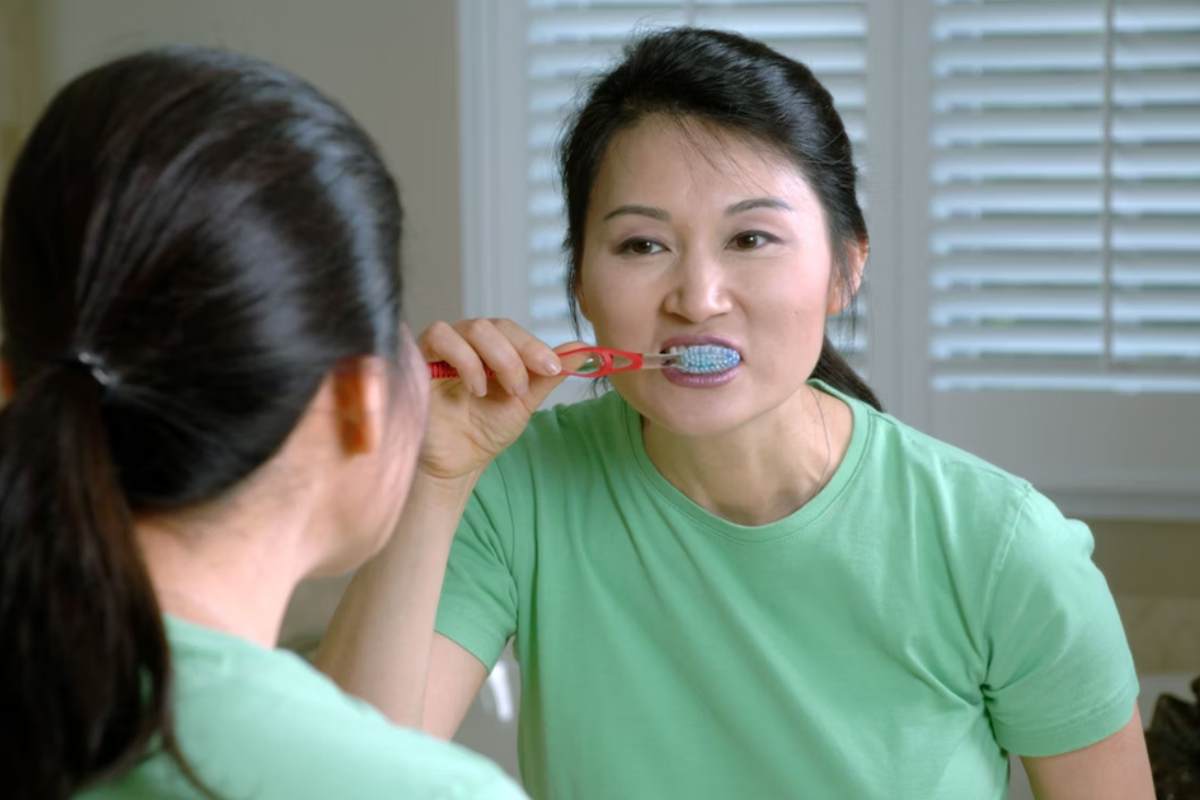
Want to keep your teeth healthy between dentist appointments?
Most people think visiting the dentist twice a year is enough to maintain perfect oral health.
Here’s the problem…
Only 44% of adults floss daily, while 94% brush their teeth regularly. That’s a massive gap that leaves millions of people vulnerable to gum disease and tooth decay.
And it gets worse.
Nearly one-third of adults admit to brushing their teeth less than the recommended twice daily. 25.9% of adults aged 20-44 have raw dental caries right now.
The good news? By following the right dental care services routine at home, you can dramatically reduce your risk of dental problems. Professional guidance from a trusted Miranda dental clinic combined with consistent home care creates the perfect foundation for lifelong oral health.
What you’ll discover:
- The Foundation: Daily Brushing Done Right
- Flossing: The Missing Link Most People Ignore
- Advanced Home Care: Beyond Brushing and Flossing
- Warning Signs You Need Professional Attention
The Foundation: Daily Brushing Done Right
Here’s something most people get wrong about brushing…
They think any toothbrush and toothpaste will do. Wrong.
80% of people develop at least one hollow by age 34, largely because they’re not brushing correctly.
The proper brushing method:
- Use fluoride toothpaste with at least 1,350 parts per million (ppm) fluoride
- Brush for a full 2 minutes, not the 30-second rush most people do
- Angle your toothbrush 45 degrees toward the gumline
- Use gentle, circular motions in its place of aggressive scrubbing
- Don’t forget your tongue – it harbors bacteria
Timing matters too. Brush last thing before bed and at one other time during the day. Night-time brushing is crucial because saliva production decreases though you sleep, leaving your teeth more vulnerable to acid attacks.
Flossing: The Missing Link Most People Ignore
Let’s be honest about flossing…
Most people hate it. But ignoring spaces between teeth is like washing only 65% of your body. Those areas become breeding grounds for bacteria.
Here’s why flossing is non-negotiable:
The goal is disrupting plaque formation before it hardens into calculus (tartar). Once plaque calcifies, only a dental professional can remove it. If calculus stays in place too long, it causes periodontitis – an inflammatory condition where gums pull away from teeth.
Proper flossing technique:
- Use about 18 inches of floss
- Wrap each end around your middle fingers
- Guide floss between teeth using thumbs and forefingers
- Wrap floss in a C-shape around each tooth
- Use 10 up-and-down strokes per tooth surface
Can’t handle traditional floss? Try interdental brushes, water flossers, or floss holders. Find a method you’ll actually use consistently.
Advanced Home Care: Beyond Brushing and Flossing
Most people stop at brushing and flossing. Big mistake.
There are several additional steps that can dramatically improve your oral health between dental visits:
Mouthwash Strategy
Use an antibacterial, fluoride mouthwash daily – but timing matters. Don’t use it immediately after brushing because it washes away concentrated fluoride from your toothpaste. Choose a different time, like after lunch.
Tongue Cleaning
Your tongue holds bacteria like a sponge. Every time you brush, clean your tongue with your toothbrush or a tongue scraper. This prevents bad breath and reduces bacterial load.
Diet and Lifestyle Factors
What you eat between dental visits affects your oral health:
- Limit sugary snacks and drinks through the day
- Drink plenty of water to wash absent food particles
- Avoid tobacco products completely
- If you drink alcohol, do so in moderation
Here’s a fact that might surprise you: 40% of people experienced mouth pain in the last 12 months. Many of these cases could be prevented with better home care.
Warning Signs You Need Professional Attention
Even with perfect home care, some situations require immediate dental attention. Don’t ignore these warning signs:
Urgent symptoms:
- Persistent tooth pain or sensitivity
- Bleeding gums during brushing or flossing
- Loose or shifting teeth
- Persistent bad breath despite good oral hygiene
- Swollen, red, or tender gums
- White or red patches in your mouth
Here’s the thing: Many dental problems don’t cause pain until they’re advanced. That’s why regular check-ups every six months are crucial, even when you feel fine.
Tools That Make Home Care Easy
Struggling with your oral care routine?
The right tools can make everything easier and more effective:
Electric Toothbrushes
Electric toothbrushes with built-in timers ensure you brush for the full two minutes. Many models have pressure sensors to prevent aggressive brushing that can damage gums.
Water Flossers
While water flossers can’t completely replace traditional floss, they’re excellent for removing large food particles and are easier for people with dexterity issues.
Disclosing Tablets
These tablets temporarily stain plaque, showing you exactly where you missed during brushing. They’re particularly useful for teaching children proper technique.
Creating Your Personal Routine
Every effective oral care routine needs consistency.
Here’s a simple daily schedule that works:
Morning:
- Brush teeth for 2 minutes with fluoride toothpaste
- Clean among teeth with floss or interdental brushes
- Use antibacterial mouthwash (if desired)
Evening:
- Brush teeth for 2 minutes (most important brushing session)
- Floss thoroughly
- Clean tongue
- Avoid eating or drinking anything except water afterward
Throughout the day:
- Rinse with water after meals
- Chew sugar-free gum if needed
- Stay hydrated
Beyond Home Care: Professional Partnership
Perfect home care is only half the equation.
Even with meticulous daily habits, you need professional cleanings and check-ups. Only 66% of adults visit the dentist annually, missing crucial preventive care.
Professional cleanings remove tartar buildup that home care can’t touch. Regular exams catch problems early when they’re easier and less expensive to treat.
Your dentist can also:
- Apply fluoride treatments for extra protection
- Place dental sealants on vulnerable teeth
- Identify risk factors specific to your situation
- Adjust your home care routine based on your needs
Making It Stick: Building Lasting Habits
Here’s the truth about forming new oral care habits…
It takes about 21 days to make a behavior automatic. Start small and gradually build your routine.
Tips for success:
- Link oral care to existing habits (brush after morning coffee)
- Keep supplies visible and accessible
- Set phone reminders for the first few weeks
- Track your progress for motivation
- Don’t aim for perfection – consistency beats intensity
Remember: Small improvements in daily care prevent major problems later. It’s much easier to spend 5 minutes on oral care daily than to deal with painful, expensive dental procedures.
Future-Proofing Your Smile
Good oral health between dental visits isn’t just about preventing cavities. It’s about protecting your general health.
Poor oral health has been related to heart disease, diabetes complications, stroke, and even pregnancy complications. By maintaining excellent oral hygiene, you’re investing in your total wellbeing.
The compound effect of consistent care:
- Fewer dental problems over time
- Lower treatment costs
- Better breath and confidence
- Reduced risk of tooth loss
- Improved overall health
Wrapping Up Your Path to Success
Maintaining oral health between dental care visits isn’t complicated, but it requires commitment. The strategies that work best are the ones you’ll actually follow consistently.
Start with the basics: proper brushing twice daily and flossing once daily. Add advanced techniques gradually. Pay attention to warning signs. Use tools that make the process easier.
Most importantly: Partner with dental professionals who understand your individual needs and can guide your home care routine for optimal results.
Your future self will thank you for the time you invest in oral health today. Strong teeth and healthy gums don’t happen by accident – they’re the result of daily choices and consistent care.