

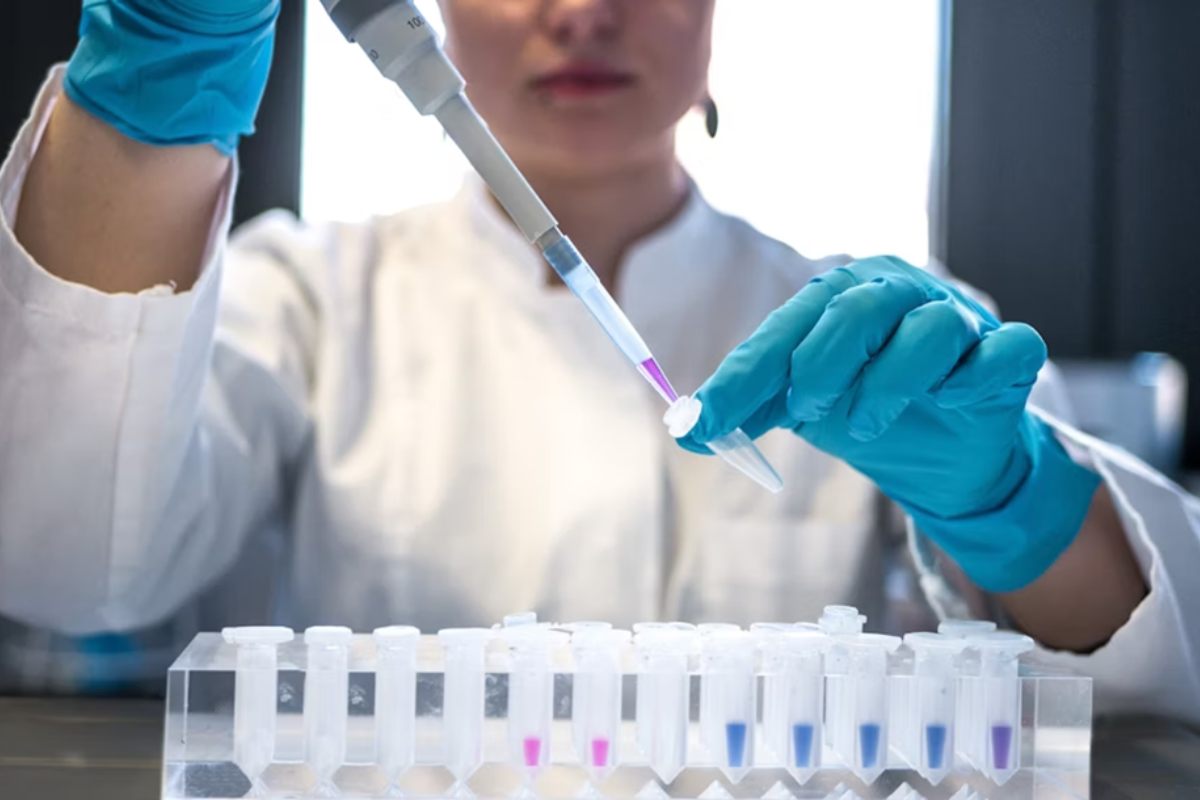
You ever wondered how labs get such precise results?
The thing is, every medical laboratory requires proper calibration if they want to get good results. After all, accurate measurements translate to:
- Improved patient outcomes
- Increased confidence in medical decisions
The problem:
Obtaining reliable, repeatable calibration is no easy task. Labs have to be putting in the work to meet the precision and quality that modern medicine demands. If you want to get the best testing results, it’s time you got yourself some high-quality synthetic urine for equipment calibration.
In other words, if you want more consistent results… You need better calibration standards.
Today, I want to share my top synthetic urine innovations that laboratory professionals use to get the most accurate calibration possible. So let’s dive in!
What you’ll learn:
- Why Laboratories Need Synthetic Urine For Calibration
- What Makes Modern Synthetic Urine Unique?
- Synthetic Urine Innovations For Calibration Accuracy
Why Laboratories Need Synthetic Urine For Calibration?
Synthetic urine offers many benefits to laboratories when it comes to calibration. In fact, if you haven’t been investing in modern synthetic urine products already, here are three of my top reasons why you should.
Achieve Consistent Testing Standards
Synthetic urine calibration is one of the best ways to increase accuracy. Why? Synthetic urine has very controlled and reproducible reference materials that are difficult to obtain from real human urine. The materials you use to calibrate your testing equipment, such as the best synthetic urine that can be found, directly determine your measurement precision.
Consistent calibration = More reliable results
Consider recent research that shows 90% of metabolites were quantified with trueness below 5% when using external calibration alongside synthetic urine standards.
The more advanced synthetic urine solutions you use, the more precise your equipment calibration becomes. Better calibration = Improved testing accuracy.
Build Equipment Reliability & Trust
Think of synthetic urine as the gold standard for your lab instruments.
Labs need to know that they can trust their equipment before they start processing samples. How do laboratories confirm that their results are accurate? By using consistent reference materials, such as synthetic urine that don’t change the way human samples do.
Think about it:
If your equipment is calibrated with high-quality synthetic urine that has been cross-checked to industry standards, you immediately establish your instrument’s reliability and precision.
Note: NIST recently created the first human urine standard to help labs get more accurate medical testing results. Their work shows just how important synthetic urine standards are for medical testing trust.
Reduce Testing Variables
One of the most underrated advantages of synthetic urine is consistency. Your calibration becomes controlled and standardized, which leads to more predictable instrument performance.
And when laboratories know that they can trust their calibrated equipment, it directly leads to more accurate testing.
Boom!
It is a win-win-win situation when you calibrate your lab equipment using materials that are controlled and consistent. You should use synthetic urine that matches the gravity, acidity, and chemical makeup of the samples you are testing.
What Makes Modern Synthetic Urine Different?
Modern synthetic urine is completely different from older synthetic urine formulations. In fact, the best synthetic urine today is designed with each component carefully controlled so they match human urine.
That includes:
- Specific chemical components
- Targeted pH levels
- Desired specific gravity
- Natural-looking color and appearance
Calibration accuracy is hard enough on its own… But add to that the need for synthetic urine that perfectly mimics real samples and you have a real challenge. The secret to successful laboratory calibration is using synthetic urine that includes every single molecular marker that your equipment needs to “know” it is working correctly.
This is different than basic testing solutions where you might use more simple chemical standards. Calibration for medical equipment use needs materials that closely match the biological samples you will be testing.
Latest Innovations In Calibration Accuracy
Time to get into the actual synthetic urine innovations. Laboratory professionals have implemented the following exact improvements to get impressive results.
If they can do it… You can too. Go through each of the items on this list, select the ones that apply to your situation and implement them until you see results. Laboratory calibration success is as easy as that!
Advanced Chemical Composition
Chemistry still is king when it comes to laboratory calibration…
Here’s why: The best way to ensure high-quality calibration is to use synthetic urine solutions that contain every component found in human urine samples. Modern synthetic urine products include very exact amounts of urea, creatinine, uric acid, and dozens of other compounds.
Research shows that good synthetic urine solutions contain the essential components of real urine carefully adjusted to remain within the normal physiological range. Your best materials should have verified component concentrations and come with comprehensive molecular profiles.
Recent scientific studies confirm that synthetic urine formulated for laboratory equipment calibration contains all of the necessary markers for equipment calibration, while low-quality materials with only basic components will not pass the calibration verification tests.
Enhanced Detection Capabilities
Ok, this is my favourite synthetic urine technology…
Here’s why it works: Laboratories can now pick up even the smallest differences in sample composition using advanced analytical methods.
Recent studies found that testing facilities use synthetic urine to calibrate their equipment because of its consistent, known composition.
Synthetic urine is so good for calibration because labs know ahead of time what is supposed to be detected. Modern synthetic urine formulations are designed to work with GC systems, mass spectrometry instruments, automated analyzers, and spectroscopic tools.
Today’s synthetic urine is continuously updated to match the most advanced testing requirements.
Multi-Parameter Validation
Want to get even more comprehensive calibration? Try multi-parameter synthetic urine.
Advanced synthetic urine allows for verification of multiple measurement parameters at one time instead of testing individual components separately.
Two of my favourite ways to do this are:
- Comprehensive instrument checks
- Cross-validation studies
Comprehensive validation is the process of testing every single capability of your instrument against a single synthetic urine standard. Cross-validation involves using different analytical methods to test the same standard and seeing if you get consistent results.
Wrapping It Up
There you have the latest synthetic urine technology for maximum calibration accuracy in the lab. The only problem is, precision calibration requires hard work. You must be willing to put in the time and effort to implement proper standards to start seeing improved results.
Need more expertise?
Remember, many laboratories work with certified suppliers who understand the complexity of modern analytical needs.
Don’t forget… Always make sure that you are clear on the specifications of your synthetic urine standards before implementing new calibration procedures.