

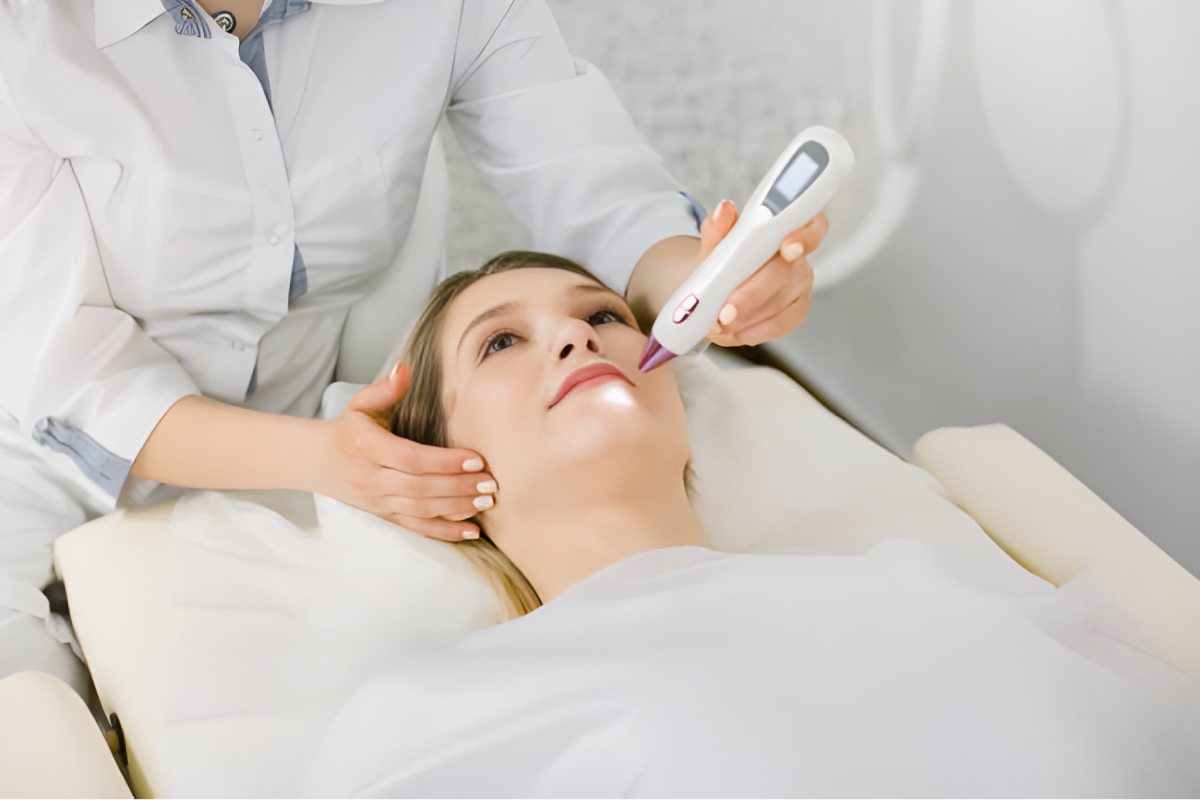
If you are considering visiting a pigmentation removal clinic in Singapore, you should choose a clinic that can tailor the treatments to your skin type and pigmentation treatment needs. Selecting the proper treatment tailored to your skin type is essential, as the wrong treatment can irritate and worsen pigmentation and other side effects.
A good skin doctor or dermatologist can recommend the best option founded on your skin needs to ensure safety and effectiveness. Proper aftercare improves your appearance and increases your confidence and skin health.
This article explains what to expect after a pigmentation removal procedure. Importantly, it describes the shared side effects and how to deal with them.
What can a Client Expect after Pigmentation Treatment?
The best pigmentation removal clinics offer various treatments, each with a unique process and recovery expectations. Here’s a quick overview of the most mutual treatments and what to expect after each one;
- Facial Acids: Facial acids, such as glycolic or salicylic acid, exfoliate the top coating of skin, promoting cell turnover. After treatment, you may experience mild redness and sensitivity, similar to a mild sunburn. As for results, they usually appear after a few weeks of continuous use.
- Retinoids: Retinoids are derivatives of vitamin A. They speed up cell turnover and reduce pigmentation. After treatment, you may experience dryness, flaking, and amplified sensitivity. This is especially true when your skin is uncovered to the sun. You will see a noticeable improvement, usually within a few months.
- Chemical Peels: A biochemical peel involves applying an exfoliating solution and peeling off the outer layer of skin, revealing smoother, less pigmented skin underneath. After a peel, you can imagine redness, swelling, and peeling similar to a sunburn. These effects can last from a few days to a week. Results can be seen within a week, with continued improvement over time.
- Laser Peels: Laser peels or laser resurfacing use concentrated rays of light to remove layers of skin. After laser treatment, you may experience mild side effects such as redness, swelling, and a sunburn-like sensation. The recovery period can range from a few days to a couple of weeks, contingent on the intensity of the laser. Results are usually visible after the skin has healed, with continued improvement over several months.
- IPL Therapy: Intense Pulsed Light (IPL) therapy targets pigmentation using a broad light spectrum. After treatment, you may experience mild redness and swelling, which are reasonably common side effects. These side effects also resemble mild sunburn. The brown spots may darken at first and then peel off. Downtime is negligible, and improvements can be seen after a few sessions.
- Lightening creams. Lightening creams comprise ingredients such as hydroquinone or kojic acid to reduce pigmentation. Some people may experience mild irritation or dryness after application. Consistent use over several weeks is necessary to see visible results. To avoid further pigmentation, it is recommended to use sunscreen consistently.
What are the Side Effects of Pigmentation Treatment?
To prepare for and manage the side effects of pigmentation removal procedures, you need to be aware of them in advance, so the question arises: What are the side effects of pigmentation treatments? Here are five common side effects, their grounds, and the treatments related with them:
Redness and swelling (Pigmentation Removal)
Redness and swelling are common after many pigmentation removal procedures. This occurs when the skin reacts to the exfoliation or light therapy used to remove pigmentation.
Treatments such as chemical peels, laser peels, IPL treatments, and dermabrasion can cause these side effects. With chemical peels, redness and swelling can mimic a sunburn and last anywhere from a few hours to a week.
Laser peels and IPL treatments cause similar reactions. However, laser treatments sometimes cause more severe swelling.
Treatments such as dermabrasion, which involve deeper exfoliation, can cause significant redness and swelling that lasts for numerous weeks. To manage these symptoms, follow proper aftercare, including using prescription ointments and avoiding sun exposure.
Dryness and Flaking
Dryness and flaking are common, especially when using treatments that speed up cell turnover. Retinoids and facial acids like glycolic acid are known to cause these side effects.
Retinoids, as explained above, are vitamin A derivatives and can cause dry, tight skin, leading to flaking. Facial acids exfoliate the top layer of skin, which can also cause dryness and flaking as new skin cells emerge.
To manage these symptoms, stay moisturised and use gentle skin care products. This will also help avoid harsh chemicals and extreme temperatures during recovery and prevent further irritation.
Increased Sun Sensitivity (Pigmentation Removal)
Many pigmentation treatments increase the skin’s sensitivity to sunlight. This is why qualified providers insist on sun protection.
Retinoids, chemical peels, laser peels, and microdermabrasion increase sun sensitivity. Retinoids and chemical peels remove the outer layer of skin, revealing new, more vulnerable skin.
Laser peels and microdermabrasion also thin the outer layer of skin, increasing sensitivity to UV rays. Without adequate sun protection, there is an increased risk of sunburn and other pigmentation problems. You should apply a broad-spectrum sunscreen and wear protective clothing to protect your skin during healing.
Irritation and discomfort
Irritation and discomfort are associated with many pigmentation treatments. This is especially true during the initial stages of healing.
For example, lightening creams, retinoids, and facial acids may cause a tingling, burning, or stinging sensation. Lightening creams that contain ingredients like hydroquinone or kojic acid may irritate sensitive skin.
Retinoids and facial acids that promote cell turnover often cause discomfort while the skin adjusts. To minimise irritation, use these products as directed, starting with lower concentrations and gradually increasing use.
Darkening of Treated Areas
Paradoxically, some pigmentation treatments may temporarily darken the treated areas before noticeable improvement. This is especially true with IPL treatments and chemical peels.
After IPL treatment, pigmentation spots may first darken and then fade. Similarly, chemical peels may make pigmentation more pronounced before the skin heals and the pigmentation fades.
This darkening is usually temporary and part of the skin’s natural healing process. However, you should carefully follow the aftercare instructions and be patient as the skin improves and improves.
The Bottom Line (Pigmentation Removal)
Different pigmentation removal methods have a wide range of possible side effects. Fortunately, following your doctor’s advice after treatment can effectively manage these side effects.
If you are concerned about any changes that may occur after pigmentation treatment, consult your doctor. If you are in Singapore, call Astique Clinic for more information. Find out more below.