

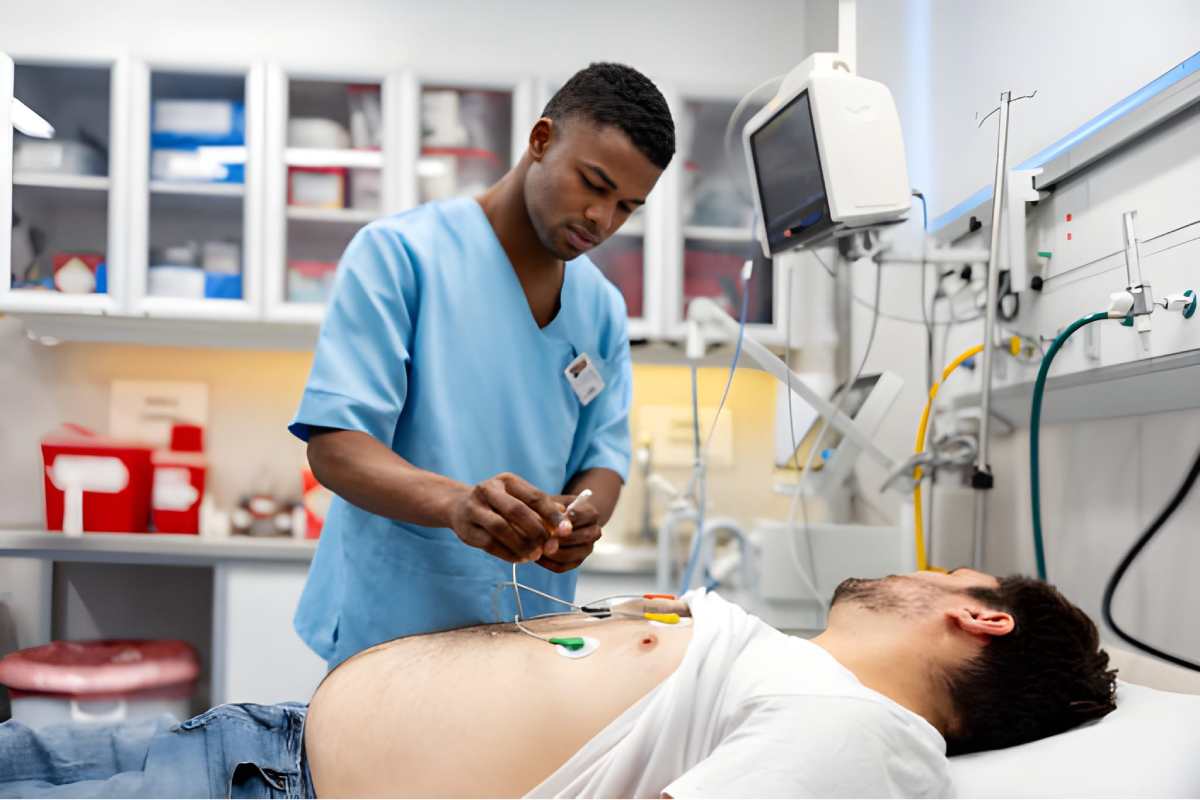
The importance of intravenous therapy is an essential medical practice that provides patients with fluids, nutrients, and drugs directly into the bloodstream. Among the many components that ensure the efficiency and safety of this process, the Y-shaped port plays a crucial, though often underestimated, role. This small but important connector allows for multiple infusions through a single intravenous port, increasing patient comfort and well-being. Understanding their design, functions, and proper use is critical to maintaining high standards of patient care in healthcare settings.
Connector Destination (Importance of Intravenous Therapy)
A Y-shaped port is a connection point integrated into an intravenous infusion (IV) system or other equipment. It allows healthcare professionals to administer secondary fluids or medications into the main intravenous infusion stream without interrupting the main infusion stream. This feature is especially useful in hospitals, emergency rooms, and clinics, where patients often require multiple drugs to be administered simultaneously.
Thanks to the controlled entry point, the port eliminates the need for additional needles, reducing patient discomfort and minimizing the risk of infection. Its function goes beyond convenience: it guarantees continuity of treatment, maintenance of sterility and efficacy of intravenous solutions.
Design and composition of materials
The Y-shaped port has a Y-shaped shape where one branch serves as the primary pathway for fluid administration and the other as an access point for secondary infusions. The port is usually made of biocompatible medical-grade materials such as polyvinyl chloride (PVC), polyethylene, or polycarbonate. These materials are chosen for their strength, transparency, and chemical resistance.
The transparent port body allows the medical staff to observe fluid flow, detect air bubbles, and ensure uniformity of mixing. Some models are also equipped with needleless access valves or safety plugs, further enhancing safety and reducing the risk of infection.
How the Connector Works (Importance of Intravenous Therapy)
The Y-shaped port serves as the connection point of the two lines for intravenous administration. When the drug or solution is administered through the side port, it is mixed with the base fluid received through the intravenous route. This allows medical professionals to effectively carry out multiple treatments.
For example, while the patient is receiving saline or glucose solution, an antibiotic can be administered simultaneously through the port. This system saves time, maintains sterility, and provides precise control of the infusion process.
Advantages of clinical application
1. Higher treatment efficiency
The use of a Y-shaped port eliminates the need to place multiple intravenous lines for the same patient. It allows multiple drugs to be administered simultaneously, saving medical staff time and optimizing patient care.
2. Higher patient comfort
By reducing the number of punctures required the connector helps reduce pain and discomfort. This is especially helpful for children, elderly patients, and patients requiring long-term care.
3. Reduced risk of infection
Due to the ability to use the same intravenous route for multiple infusions, the likelihood of contamination is reduced. Needleless ports and sealed design further enhance sterility.
4. Saving of funds and resources (Importance of Intravenous Therapy)
The ability to administer multiple medications through a single system reduces the amount of intravenous infusion equipment, syringes, and supplies required, providing significant savings for healthcare facilities.
5. Ease of monitoring and management
Due to the transparency of the materials used, medical personnel can easily monitor the flow of fluid and detect obstructions or air bubbles before they become a problem.
Applications in Medical Practice
The Y-shaped port is widely used in various fields of medicine. It is most commonly applied in the following areas:
- Intravenous therapy in hospitals: for the administration of antibiotics, analgesics and electrolytes.
- Emergency Medicine: Allows vital drugs to be administered quickly in critical situations.
- Cancer Treatment: Provides controlled infusion of multiple chemotherapeutic drugs.
- Home Care: Used for patients receiving long-term infusion therapy.
- Intensive Care Units: Allows for complex treatment regimens without interrupting ongoing infusions ‘importance of intravenous therapy’.
Safety rules when using in the port
Although the Y-shaped port simplifies infusion therapy, it should be used strictly according to medical guidelines to ensure patient safety.
- Compatibility Check: Before administering the second drug, always check its chemical compatibility with the base solution. Mixing incompatible drugs may result in precipitate formation or reduced drug efficacy.
- Compliance with aseptic guidelines: Hands and equipment must be sterile before accessing the port to prevent infection. Flush the system: After administering the drug, flush the system for intravenous administration to ensure that all of the drug has entered the bloodstream and no residue remains in the port.
- Use needle-free systems: Whenever possible, use needle-free Y ports to reduce injury and contamination.
- Monitor the patient’s reaction: Always monitor the patient for any adverse reactions during and after the infusion.
Maintenance and disposal (importance of Intravenous Therapy)
In most medical facilities, Y-shaped ports are part of disposable intravenous infusion equipment designed for single use. After completion of treatment, the entire system for intravenous administration, including the port, must be disposed of in accordance with the hospital’s biohazardous waste disposal protocols ‘importance of intravenous therapy’.
When using the reusable version, it should be fully sterilized by autoclaving or chemical disinfection to guarantee no residual contamination. Periodic inspections are also necessary to identify cracks, discoloration, or leaks, which will allow safety and functionality to be maintained.
Innovations and Technological Improvements
Recent advances have led to various innovations in the design of Y-shaped connectors, improving their performance and safety. They include:
- Needleless Access Ports: Designed to prevent accidental pinching.
- Check valves: Provide one-way flow, preventing contamination or mixing of incompatible liquids.
- Pressure-resistant materials: allow their use in intensive infusion settings.
- Color coding of ports: simplifies the identification of different lines and reduces the risk of errors in medication administration.
These innovations have made modern connectors more reliable, safer, and easier to use in a variety of clinical settings.
Their role in ensuring patient safety and quality of care
The Y-shaped port plays a crucial role in improving patient safety and treatment quality ‘importance of intravenous therapy’. It provides continuous administration of vital drugs without interruptions, which is especially important in ICUs. Its simple yet effective design reduces usage time and minimizes the chance of human error. By ensuring uniform and sterile administration of fluids, it helps maintain stable treatment outcomes.
Conclusion (importance of Intravenous Therapy)
In the field of the importance of intravenous therapy, each component contributes to the overall success of a patient’s treatment. The Y-shaped port, despite its small size, is of immense importance, allowing simultaneous administration of drugs, reducing the risk of poisons, and increasing patient comfort. Its reliability and ease of use make it a standard component of modern infusion systems. As medical technology advances, innovations in its design will contribute to further improvements in patient efficacy and safety, reinforcing its importance as a cornerstone of effective intravenous therapy.