Air pollution is a problem we face year-round. Urbanisation, poor agricultural practices, and industrial growth are the main drivers of increased pollution, worsening air quality and affecting our respiratory health in both the short and long term. Some of these pollutants are particulate matter, sulfur dioxide (SO2), nitrogen dioxide (NO2), carbon monoxide (CO), and tropospheric ozone (O3). These dangerous pollutants can cause oxidative stress, inflammation, and damage to the breathing system, which can lead to lung problems such as asthma, chronic obstructive pulmonary disease (COPD), and in extreme cases, even lung cancer.
There is no permanent solution to the air pollution problem; however, we can take precautions, and the first step that comes to mind is breathing exercises. Breathing exercises are a set of exercises that can improve the efficiency of our lungs. Although no breathing exercise can completely protect against air pollution, some breathing techniques can significantly improve lung function and breathing, so breathing exercises have several benefits. It is worth noting that lung conditions should also be regularly monitored. Next, look at how these breathing exercises can benefit our lungs.
How Breathing Exercises Help Our Lungs
Improves vital capacity: Breathing exercises increase lung efficiency and improve oxygen exchange.
- Strengthens respiratory muscles: Regular breathing techniques strengthen the diaphragm and intercostal muscles.
- Clear airways: One of the benefits of breathing exercises is that they help remove mucus and reduce the risk of infection.
- Reduces lung inflammation: Avoiding pollutants and practising breathing techniques helps minimise irritation and inflammation in lung tissue.
- Protects against chronic diseases: Deep breathing exercises reduce the risk of bronchitis, asthma, and COPD.
- Improves endurance: One notable benefit of breathing exercises is that increased oxygen consumption improves physical performance and endurance.
- Promotes relaxation: Breathing exercises help regulate oxygen intake, reduce stress, and support proper lung function.
Now that we have discussed the benefits of breathing exercises, there are some air pollution tips that everyone should know. See How Air Pollution Affects Your Health: An In-Depth Look at the Health Risks. Now it’s time to write down some helpful breathing techniques you might want to consider.
Helpful Breathing Exercises to Keep Lungs Healthy
Diaphragmatic Breathing: The first exercise is diaphragmatic breathing, one of the most beneficial deep breathing exercises that strengthens the diaphragm and fills the lungs with air more efficiently. For this breathing technique, you should:
- Sit or lie down comfortably on a flat surface.
- Relax your shoulders; they should move downwards away from your ears.
- Now, place one hand on your chest and the other on your stomach.
- The next step is to breathe deeply through your nose until you can no longer breathe. You should feel the air passing through your nostrils into your stomach.
- Then exhale slowly through your mouth and feel your stomach contract gently.
- Repeat these steps several times for the best results.
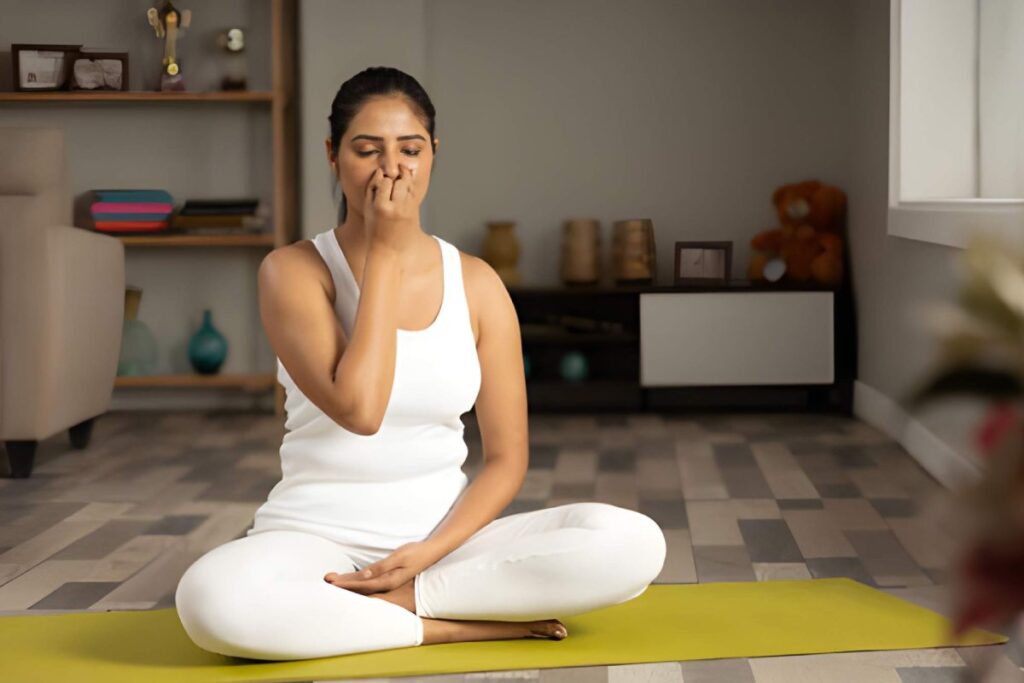
Alternate Nostril Breathing:
A breath-control technique in yoga. This type of breathing practice can be done as part of meditation. Its benefits include relaxing the body and mind, reducing anxiety, and promoting overall well-being. As for the breathing technique, you should:
- Sit in a comfortable position with your legs crossed.
- Place your left hand on your left knee and raise your right hand to your nose.
- The next step is to exhale correctly and close your right nostril with your right thumb.
- Now, inhale through the left nostril and close it with your fingers. Open the right nostril and exhale through that side.
- This should be done vice versa. This is a cycle.
- Continue for no more than 5 minutes.
- The practice should always end with an exhalation through the left side.
Lion Breath:
Another yogic practice that imitates the roar of a lion, but not literally. This practice calms the mind, relieves stress, and eliminates anxiety. To perform this breathing exercise, you need to:
- Sit comfortably with your spine straight.
- Inhale deeply through your nose.
- Keep your mouth wide open as you exhale, stick out your tongue, and make a “ha” sound as you exhale.
- This will help relieve tension in your chest and face.
Pursed Lip Breathing:
One of the most practised breathing exercises, it helps you slow your breathing and inhale and exhale more air. To do this exercise, you need to:
- Inhale slowly through your nose, counting to two.
- Feel your belly expand as you inhale.
- Purse your lips as if you were going to whistle or blow out a candle.
- Then exhale slowly through your lips, counting to four or more.
- Exhale normally. Do not force the air out.
Apart from these breathing exercises, you can also practice additional breathing techniques such as Box Breathing, Buteyko Breathing, Chest Breathing, Bamboo Breathing, etc.
Also, many are concerned about age: whether children or older adults are doing these breathing exercises. So, let us clarify this!
The benefits of breathing exercises are apparent, but people with respiratory problems or health issues such as cardiac arrhythmia, hypertension, a slow heart rate, angina or chest pain, or heart disease should take proper precautions and seek advice before starting any breathing practice. Children below 5 years of age should not perform complex breathing techniques such as Kapalabhati or hold their breath for long during pranayama.
At Anytime Fitness India, our certified trainers provide proper guidance and ensure that all breathing exercises are performed correctly. If you want to practice yoga breathing exercises with professionals, join now and take advantage of all the benefits.