
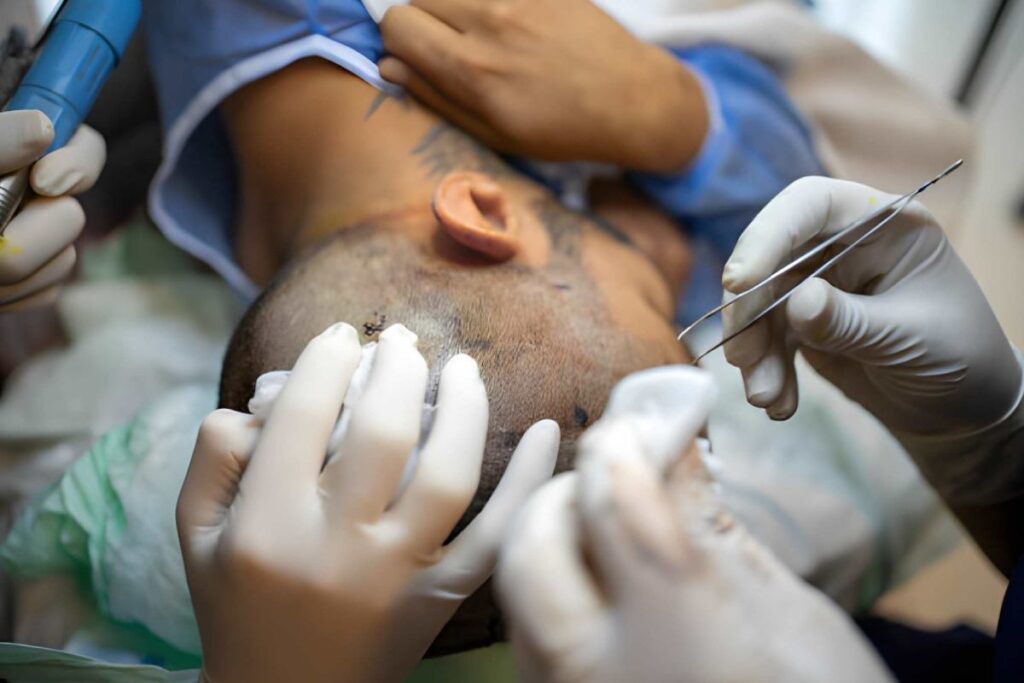
Hair loss can affect your self-esteem and appearance. Hair transplants offer natural results that are hard to beat, even though many people seek short-term results. But before you decide, ask yourself: Is a hair transplant permanent? The answer to this question will help you plan better and have more realistic expectations. This article explains everything you need to know about the long-term effects of a hair transplant, the factors that affect them, and how to ensure the results last for years. Whether you’ve already undergone the procedure or are still considering it, getting the correct information and contacting the best hair transplant clinic in Lucknow will help you feel more confident about your next steps.
What to Expect Long-Term
Most patients begin to notice improvements three to four months after the procedure. By the end of the year, their hair will have fully grown back. But for long-term well-being, it’s equally important to know what happens next.
Transplanted hair typically lasts for many years, as it grows in areas where hair doesn’t shed easily. However, the remaining natural hair can weaken over time, which can change its appearance. Therefore, it’s essential to continue treatment and plan for the future. The best hair transplant clinic will help you prepare for this and plan for the future.
Things That Affect Long-Term Results
There are many factors that influence the duration of your hair transplant and can help or hinder the long-term success of your new hair.
Quality of the Procedure
The final result depends on the care with which the procedure was performed. The likelihood of achieving a natural and lasting result increases if the surgeon is experienced and uses the right tools. Postoperative errors can affect the rate of new hair growth.
Aftercare
What you do during the first few days and weeks after surgery is critical. Following your doctor’s recommendations, washing your hair correctly, and avoiding harsh products all contribute to hair recovery and growth.
Lifestyle Factors
Bad habits like smoking, poor diet, and lack of sleep can damage hair. To grow, hair needs oxygen, nutrition, and a stress-free body. Even transplanted hair can die prematurely if not cared for.
Hair Loss Progression
As you age, your remaining hair may continue to fall out. Even if the transplanted hair stays in place, the appearance of your entire head may change if the surrounding hair thins. Scheduling future sessions can help with this.
Longevity Tips
There are some simple things you can do every day to keep your new hair strong and healthy. These small actions will help keep your transplanted hair healthy and safe overall.
Scalp Care Routine
Keep your scalp clean, use mild shampoos, and avoid scrubbing too hard. A gentle massage improves blood circulation, which benefits the health of your hair and roots.
Regular Check-ups
Regular appointments to the doctor can help you detect problems early. A doctor who knows what to look for can detect if your hairline is thinning or advise you if it changes over time.
Medication or Treatments
To protect non-transplanted hair, your doctor may recommend medications such as minoxidil or finasteride. Over time, laser therapy and other treatments can also promote hair growth and maintain a healthy scalp.
Making healthy choices in life
Your hair will stay strong if you eat well, stay active, get enough sleep, and avoid stress. Strong hair starts with a healthy scalp, which in turn depends on a healthy body. The best hair transplant clinic can even offer lifestyle recommendations as part of your treatment.
When to See a Doctor
It’s recommended to consult a doctor if you notice unusual hair loss, discomfort, swelling, or uneven colouring for an extended period after the transplant. Don’t ignore changes, even if they’ve been observed for a long time. Many issues can affect hair growth, such as health problems, stress, or improper care. A short visit can provide answers and resolve the issue before it worsens. Even months after surgery, the best hair transplant clinic in Gurgaon will be happy to answer any questions you may have.
Conclusion
A hair transplant can be one of the best ways to improve your arrival and self-esteem. But, like everything, the long-term benefits depend on what you do before, during, and after the procedure. Your new hair can stay strong for years if you care for it properly. You can achieve long-lasting results if you know what influences them and how to care for your hair correctly.
FAQs: Is Hair Transplant Permanent? Understanding Long-Term Results
Is a hair transplant permanent?
Yes, a hair transplant is generally careful permanent because the relocated hair follicles are resistant to the hormone that causes hair loss. However, results may vary contingent on factors such as age, health, and aftercare.
How long does it take to see the full results of a hair transplant?
The final results usually appear within 9 to 12 months after the process, as the transplanted hair gradually grows back and becomes thicker.
Can the transplanted hair fall out later?
Some initial hair loss during the first few weeks is normal, called “shock loss.” The hair that grows back after the transplant is usually permanent, although the surrounding natural hair may thin out over time.
Will I need more hair transplants in the future?
Possibly. If hair loss continues in untreated areas, a second session may be required for better coverage or improved aesthetics.
Do transplanted hairs require special care?
No special care is required. Transplanted hair behaves like natural hair – it can be cut, styled and washed as usual.
Is hair transplantation suitable for everyone with hair loss?
Not always. The suitability for a transplant depends on factors such as age, the cause of hair loss, the availability of donor hair and overall health. A specialist consultation is necessary.
Do the results of a hair transplant look natural?
Modern techniques such as FUE (follicular unit extraction) or FUT, when performed by an experienced surgeon, provide a natural, unnoticeable result.
Can stress or illness affect transplanted hair?
Transplanted hair is generally resistant to hair loss, but severe stress or serious illnesses can affect the overall health of the scalp, potentially affecting hair density.
Is a hair transplant suitable for women?
Yes, hair transplant can be beneficial for women, especially in cases of balding or thinning hair, although the approach may differ.
10. What can be done to maintain long-term results after a hair transplant?
Follow the aftercare instructions, avoid smoking and excessive stress, eat a balanced diet, and consult with your doctor about treatments such as PRP or medications to maintain overall hair health.